

Stop trying to be everywhere. This clinic SEO guide shows which non-Google platforms still matter and how to choose your top two to focus on for 90 days.
Here, you’ll learn how to diversify beyond Google without trying to be everywhere.
You’ll get a simple 3-tier framework to decide which platforms still matter for clinic SEO, reputation, and bookings, plus an easy scorecard to prioritize what’s worth your time.
We cover:
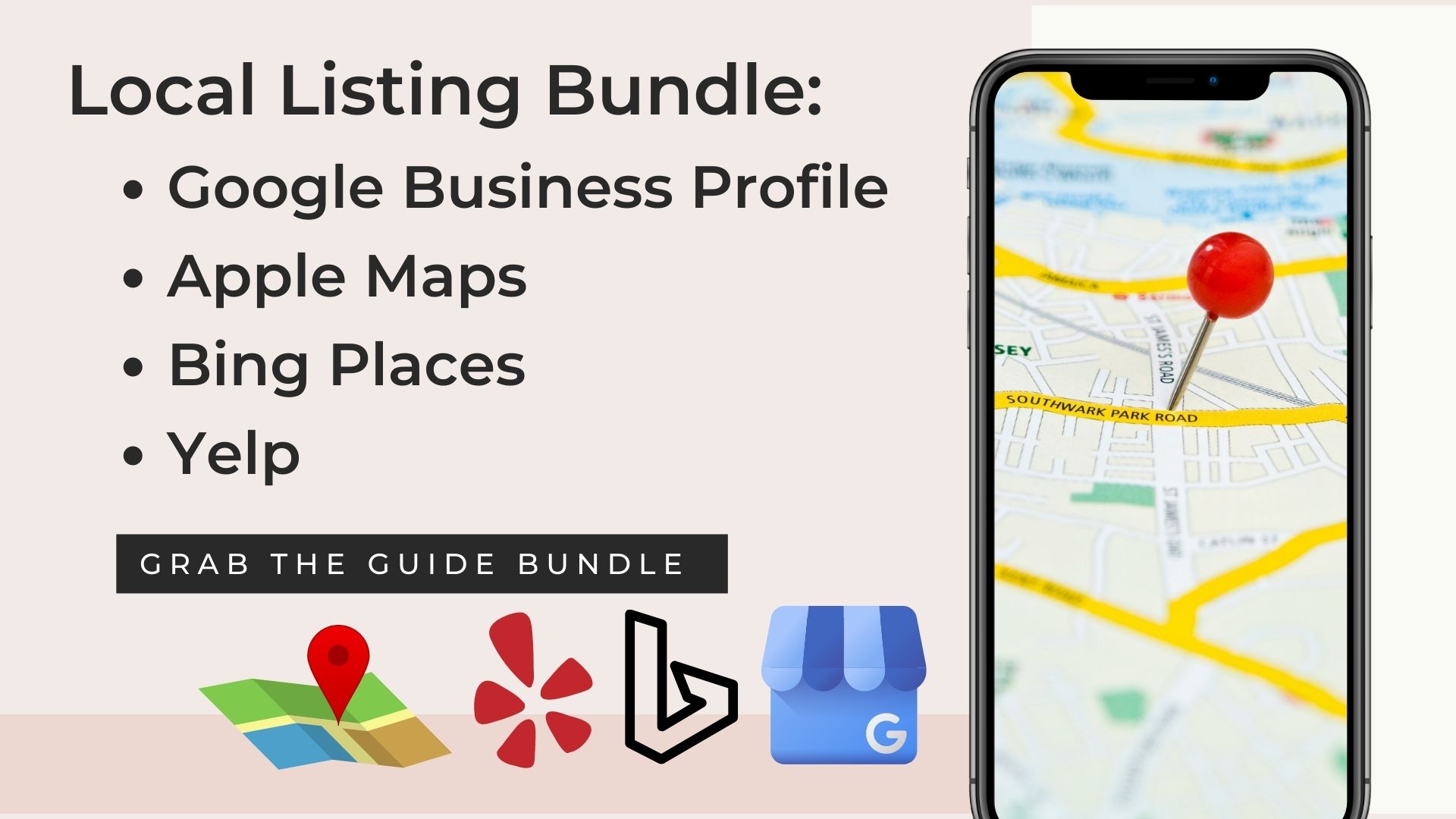
- The Tier 1 foundation, website, Apple Maps, Bing, and reviews
- Tier 2 high-leverage platforms, one social channel, and the right directories
- Why YellowPages can still support local visibility and consistency
- How to get “AI-ready” so your clinic is easier to find in tools like ChatGPT and Grok
- The metrics that matter
Walk away with a clear 90-day focus plan and a “good enough” checklist for each platform.
Diversifying Beyond Google for Clinics: Which Platforms Still Matter and How to Prioritize
If your clinic relies heavily on Google for discovery, you are not alone. Google Search and Google Maps can drive a meaningful share of calls, website visits, and appointments. The problem is what happens when rankings fluctuate, local results change, or your visibility dips for reasons that feel unclear.
Diversifying beyond Google is not about replacing Google. It is about building a discoverable, trustworthy presence that still brings in patients even when one platform gets unpredictable.
The key is avoiding the common trap: trying to “be everywhere” all at once. That approach creates a lot of activity with very little momentum, and it can burn out your team fast.
Instead, use a simple framework that keeps your efforts focused and measurable.
The real goal of diversification: discovery, trust, and conversion
Every marketing platform your clinic uses has one primary job:
Discovery: helps new people find you
Trust: helps people feel confident choosing you
Conversion: helps people take action (call, click, request an appointment)
A platform does not need to do all three. It only needs to do one job well, and it needs to fit your clinic, your services, and your market.
This mindset prevents wasted effort. It also gives you permission to aim for “good enough” rather than perfection.
The 3-tier platform framework for clinics
Tier 1: Non-negotiables (your foundation)
These are the essentials that support everything else. If these are messy, every other platform becomes harder to manage and less effective.
1) Your website (the hub you control)
Your website is the one asset you own. Every directory, profile, and social platform should point back to it. Patients also use it to compare options and confirm details.
Your “foundation” website checklist:
- Clear service pages for core services
- A visible booking path (one primary button)
- Strong calls to action on key pages
- FAQs that answer real patient questions in plain language
2) A solid presence in major map ecosystems (not just Google)
Many clinics treat “maps” as “Google,” but patients live across multiple ecosystems. Cleaning up these platforms is usually low effort and high leverage.
Start with:
- Apple Maps (managed via Apple Business Connect)
- Bing (managed via Bing Places for Business, and influences Bing search and Bing Maps)
Even if Google is your main driver, getting Apple and Bing accurate can prevent missed opportunities and reduce confusion when patients cross-check your info.
3) Reviews and reputation basics
Patients verify. Even if they found you on Google, they often confirm your reputation somewhere else before booking.
Tier 1 is about accuracy and clarity. When someone searches your clinic name, everything should match:
- Name, address, phone (NAP)
- Hours
- Services and categories
- Booking link or next step
Tier 2: High-leverage supports (choose 1 to 3)
This is where clinics can grow visibility beyond Google without turning marketing into a full-time job.
Tier 2 typically includes:
- One primary social platform (not all of them)
- One or two directories that fit your niche and local market
- One trust-building content channel, often email or video
Tier 2 is about credibility and reinforcement. It is the layer that keeps your clinic visible in more places, and makes it easier for patients to choose you.
Tier 3: Optional add-ons (only if you have bandwidth)
This layer is “nice to have,” not essential:
- Secondary social channels
- Extra directories
- Bigger content projects
- Paid strategies
Tier 3 comes after your foundation is stable and your Tier 2 choices are consistent.
The prioritization scorecard: a fast way to choose what to focus on
Not sure which platforms deserve your attention? Use a simple scorecard.
Give each platform a score from 1 to 5 for:
- Discovery potential in your market
- Trust impact for your patients
- Effort required to maintain it
- Your team’s comfort level with it
- Conversion potential (calls, clicks, bookings)
Then choose your top two non-Google platforms and commit to them for the next 90 days.
That 90-day window matters. It gives you enough time to create consistency, gather data, and see what actually moves the needle.
Which platforms still matter for clinics (and what “good enough” looks like)
Below are several categories worth considering. For each one, you will see why it matters, who it’s best for, and a “good enough” checklist.
1) Apple Maps (via Apple Business Connect)
Why it matters: Many patients use iPhones and Siri, and Apple Maps is a default navigation tool in that ecosystem. Apple Business Connect is how you manage how your business appears across Apple surfaces.
Best for: Every local clinic, especially in iPhone-heavy communities (which includes most markets).
Good enough checklist:
- Claim your listing
- Confirm name, address, phone, and hours
- Add photos
- Confirm categories and primary services
2) Bing Places
Why it matters: Bing still powers a meaningful slice of searches, and it supports Bing Maps results. It also broadens your search ecosystem coverage beyond Google.
Best for: Every clinic, especially those that want their information consistent across multiple search platforms.
Good enough checklist:
- Claim or update your listing
- Confirm NAP and hours
- Check for duplicates
- Add photos
3) Yelp (market-dependent)
Why it matters: In some cities and competitive markets, Yelp remains visible in search results and still influences decision-making.
Best for: Clinics in metro areas, or markets where Yelp results appear prominently when people search for your services.
Good enough checklist:
- Claim it if it is active in your market
- Ensure all info is accurate
- Do not treat Yelp posting like a weekly content requirement
4) Healthcare and professional directories (choose one primary)
Why it matters: These often function as trust platforms. Patients use them in “compare and verify” mode.
Best for: Clinics with specialized services, or clinics that benefit from professional credibility signals.
Good enough checklist:
- Complete your profile fully
- Keep provider info consistent with your website and other listings
- Use real photos (if allowed)
- Link back to the most relevant page on your website (often a core service page)
5) Social platforms (pick one primary)
Social media should not become a guilt project.
Choose one primary platform based on where your patients are, and what you can realistically maintain.
- If your clinic is visual, Instagram can be strong for trust.
- If your clinic is community-driven, Facebook can support referrals and local visibility.
- If you do B2B partnerships or serve professionals, LinkedIn can make sense.
Good enough cadence: 2 to 4 posts per month, consistently, using a repeatable format.
Examples of repeatable post formats:
- One patient FAQ answered simply
- One “what to expect” walkthrough
- One myth vs fact post about a common condition
- One behind-the-scenes trust builder (team, space, process)
Add this to your list: YellowPages.com
Most clinics ignore YellowPages.com, or assume it no longer matters. It still has an active claim process and a “manage your free listing” flow, and it can play an important supporting role in your overall online footprint.
Why it still matters
Think of YellowPages as a consistency and validation node across the local ecosystem. Even if patients are not browsing YellowPages daily, accurate listings in established directories can support your broader presence. Some directory ecosystems also distribute data across related properties, which makes accuracy even more important.
Who it’s best for
- Clinics that have moved, rebranded, or changed phone numbers
- Clinics with a messy listing history or duplicates across the web
- Clinics in competitive areas where consistency and trust signals make a difference
What “good enough” looks like on YellowPages
- Claim your listing
- Confirm your name, address, phone, and hours
- Ensure your website link matches your main listings and website
- Add categories and a short description aligned with your real services
- Upload a few photos
- Check for duplicates
What about showing up in AI tools like ChatGPT or Grok?
More patients are using AI tools to ask questions like:
- “Best chiropractor near me”
- “Who treats sciatica in [city]?”
- “Where can I get shockwave therapy nearby?”
AI tools are not magic directories. They pull from the web and tend to reward the same fundamentals that help real humans trust you.
What matters for AI visibility (clinic version)
1) Be easy to verify across sources
AI results improve when your clinic’s entity details match across the web. That includes your website, map ecosystems, and established directories.
Consistency across Apple Maps, Bing, YellowPages, and your site makes it easier for systems to trust the information.
2) Website clarity beats clever marketing
Clear, specific pages help both humans and machines understand what you do.
For clinics, prioritize:
- A strong page for each core service
- An “areas served” section (if relevant)
- An FAQ block that answers common patient questions
- A clear booking call to action
If your content is vague, AI has less to work with.
3) Structured data helps machines read your site
Schema is not a magic button, but it can help make your business details machine-readable. At a minimum, ensure your LocalBusiness-style details are clean and consistent, and that provider and location information is aligned with your listings.
4) Reputation remains a trust signal
Reviews and credible third-party profiles matter because they provide external confirmation that your clinic exists, is active, and is trusted.
Your “AI-ready in 60 minutes” checklist
If you only do a few things this week, do these:
- Confirm your key listing ecosystems are accurate
- Apple Business Connect (Apple Maps)
- Bing Places
- YellowPages claim and profile accuracy
- Add a tight FAQ section to your main service page
Include questions like:
- Who is this for?
- What does a first visit look like?
- How many sessions do people typically need?
- Do you take insurance (or how does payment work)?
- Make your booking path obvious
- One primary booking button
- The same wording everywhere (Book, Schedule, Request Appointment)
- A consistent link destination
These steps improve Google performance, directory performance, and AI visibility at the same time.
Common mistakes to avoid
Mistake 1: Opening accounts everywhere
Diversifying does not mean claiming every platform. Pick two non-Google platforms and do them well.
Mistake 2: Posting constantly instead of fixing the foundation
A polished social presence will not help if your hours are wrong on Apple Maps, or your phone number is outdated in directories.
Mistake 3: Inconsistent service naming
If your website uses one term, directories use another, and your social profiles use abbreviations, you are making it harder for both humans and machines to understand what you offer.
Choose a primary naming convention for each service, then align your site and listings around it.
Mistake 4: Measuring the wrong metrics
Likes are fine, but appointments pay the bills.
Track metrics tied to action:
- Calls
- Form fills
- Direction requests
- Booked consults
Quick recap: your simple plan
- Tier 1: Website, map ecosystems, reputation basics
- Tier 2: Choose 1 to 3 supports, usually one directory plus one trust channel
- Tier 3: Only after you are consistent in Tier 1 and Tier 2
Your next step: choose your top two non-Google platforms, and commit to a 90-day focus. If YellowPages is missing or incorrect for your clinic, claim it and clean it up. If Apple Maps or Bing has outdated info, fix those next.
Related Resources:
- Yellow Pages Online Listing: The Overlooked Local SEO Boost for Clinics
- Website Pages That Make Google Send You the Right Patients
- Guide for Optimizing Bing Places for Local SEO
- Guide to Optimizing Your Apple Business Connect Place Card
- Why You Need to Invest Some Time in Your Apple Maps Listing
- SEO 101: How to Improve Your Clinic’s Website Rankings (and Stay Visible in the Age of AI Search)
- Google Business Profile Guide: Boost Your Clinic’s Local SEO
- Free Workshop + BONUS -- How to Dominate the 1st Page of Google and Get More New Patients
- The Ready. Set. Rank! Complete SEO Toolkit for Clinics
- Ready. Set. Rank! Accelerator
- Book a Discovery Call
Get our next podcast episode delivered directly to your inbox:
We'll email you when we release new episodes.